
Behind the dazzling display of silk in high-end retail stores lies a shadow that the fashion industry refuses to talk about. A pure handloom saree is sold for tens of thousands of rupees in urban boutiques. Yet, if you travel to the remote villages of Odisha where these masterpieces are born, you will not find wealth. You will find mud-brick homes, failing eyesight, and crushing poverty. The question that demands an answer is: if the product is so valuable, why are the creators so poor?
The answer is a deeply entrenched, exploitative system of middlemen and brokers. The "organic families"—the traditional artisans who hold centuries of weaving knowledge in their hands—are being systematically left behind. This is the silent crisis of the Indian handloom sector, and it is the very reason Utkal Aditri was founded. Let’s pull back the curtain on the harsh reality of the loom.
The Economics of Exploitation
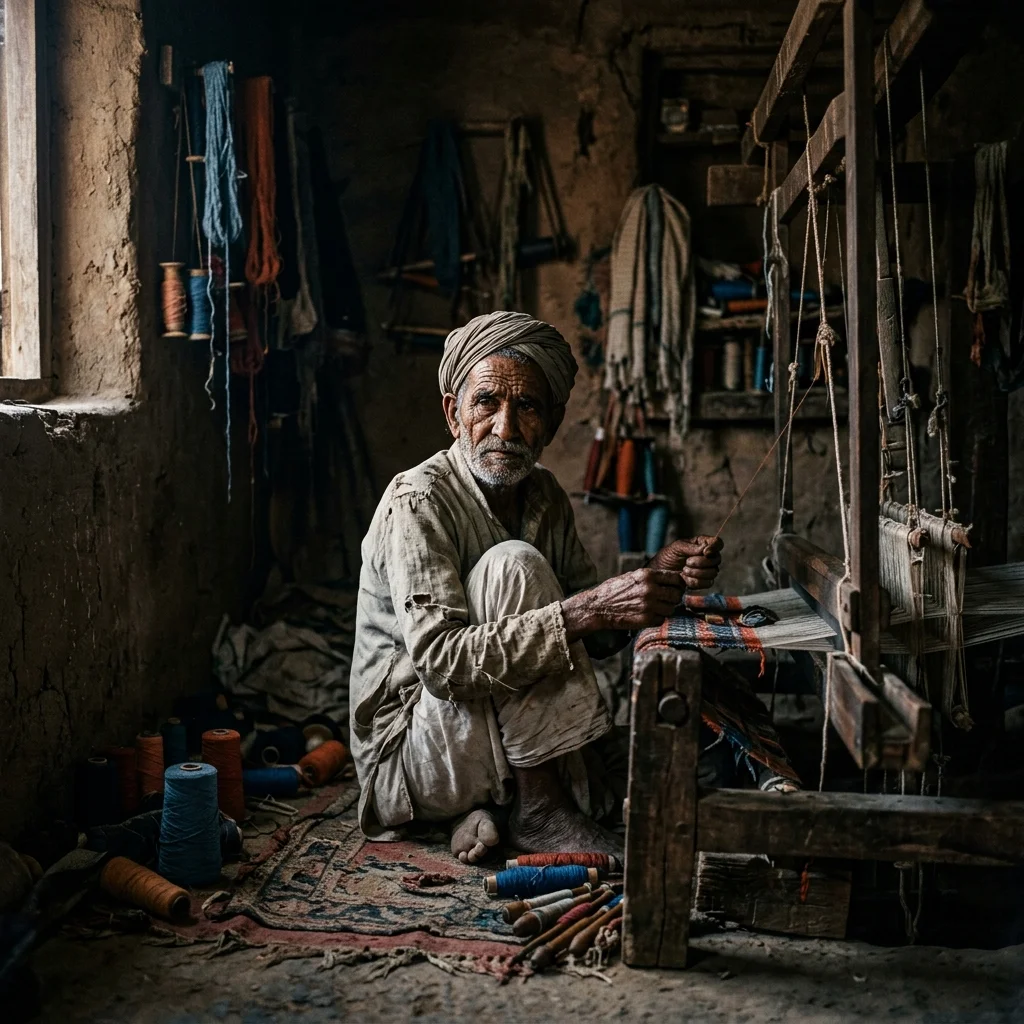
Weaving a genuine Ikat or Bomkai saree is not a one-man job; it requires the labor of an entire family. For weeks, women and elders tie and dye the yarns, spin the threads, and prepare the loom. The master weaver then sits at the pit loom for 10 to 12 hours a day, mathematically aligning thousands of threads. It is backbreaking, eye-straining work. It can take anywhere from 15 to 45 days to complete a single, highly intricate pure silk saree.
However, most of these artisans live in remote villages and lack access to urban markets, digital platforms, or direct buyers. Enter the middleman. Brokers visit these villages, advance small amounts of money for raw materials, and then purchase the finished saree for an absolute fraction of its market value. The artisan, desperate for cash to feed his family, has no negotiating power. The broker takes the saree, sells it to a wholesaler, who sells it to a luxury retailer. By the time you buy it, the price has inflated by 300%, but the weaver’s profit remains pennies.
"The rich become richer by selling our heritage, while the families who actually create it sit on the mud floors of their ancestors, wondering how to pay for their children's education."
The Machine Invasion
As if the exploitation by brokers wasn't enough, the artisan faces a deadlier enemy: the power loom. Massive factories in Surat and other industrial hubs have begun scanning traditional Odisha designs and digitally printing them onto cheap, synthetic fabrics. These "fakes" are flooded into the market at a quarter of the price.
A customer, unaware of the difference, buys the cheap machine-print, thinking they bought an authentic Sambalpuri. This theft of intellectual property destroys the demand for actual handwoven textiles. Unable to compete with the speed and pricing of machines, master weavers are breaking their looms in despair. An entire generation of youth is abandoning the family craft to become daily wage laborers in cities. If this trend continues, the art of Odisha handloom will be dead within a decade.
The Zero-Fee Revolution
Seven years ago, our founder—a philanthropist already heavily involved in uplifting marginalized communities—witnessed this tragedy firsthand. The mission for Utkal Aditri was born. We refused to be another brand that bought low and sold high. Instead, we built a zero-fee bridge.
Today, 150 master weaving families are directly attached to our platform. When you buy a saree on Utkal Aditri, there is no middleman, no broker, and no platform fee taken from the weaver. The artisans set their own fair price. When an order is placed, the product is shipped directly from their home to yours.
This is why you won't see heavily photoshopped, studio-lit models on our website. Our photography is raw because the weavers themselves capture the photos on their phones after the saree comes off the loom. When you pay a premium for our authentic handlooms, that money goes directly into the hands of the family who made it.
Empower An Artisan Today
Refuse the fakes. Refuse the middlemen. Purchase a genuine, Silk Mark certified handloom saree directly from the weavers of Odisha and wear it with absolute pride.
Support The Weavers