
It is a devastating feeling to pay a premium price for a piece of heritage, only to realize later that you bought a cheap, machine-made fake. As the popularity of Odisha handlooms—specifically the Sambalpuri and Ikat weaves—has exploded across India, so too has the counterfeit market. Factories in Surat and other textile hubs are churning out thousands of screen-printed copies every day, passing them off as authentic handlooms.
But a true connoisseur can always spot a fake. An authentic handloom saree has a distinct signature—a set of beautiful imperfections that a machine can never replicate. In this comprehensive buyer’s guide, we will teach you exactly how to inspect the fabric, the motifs, and the certifications so you never get trapped into buying a fake handloom saree again.
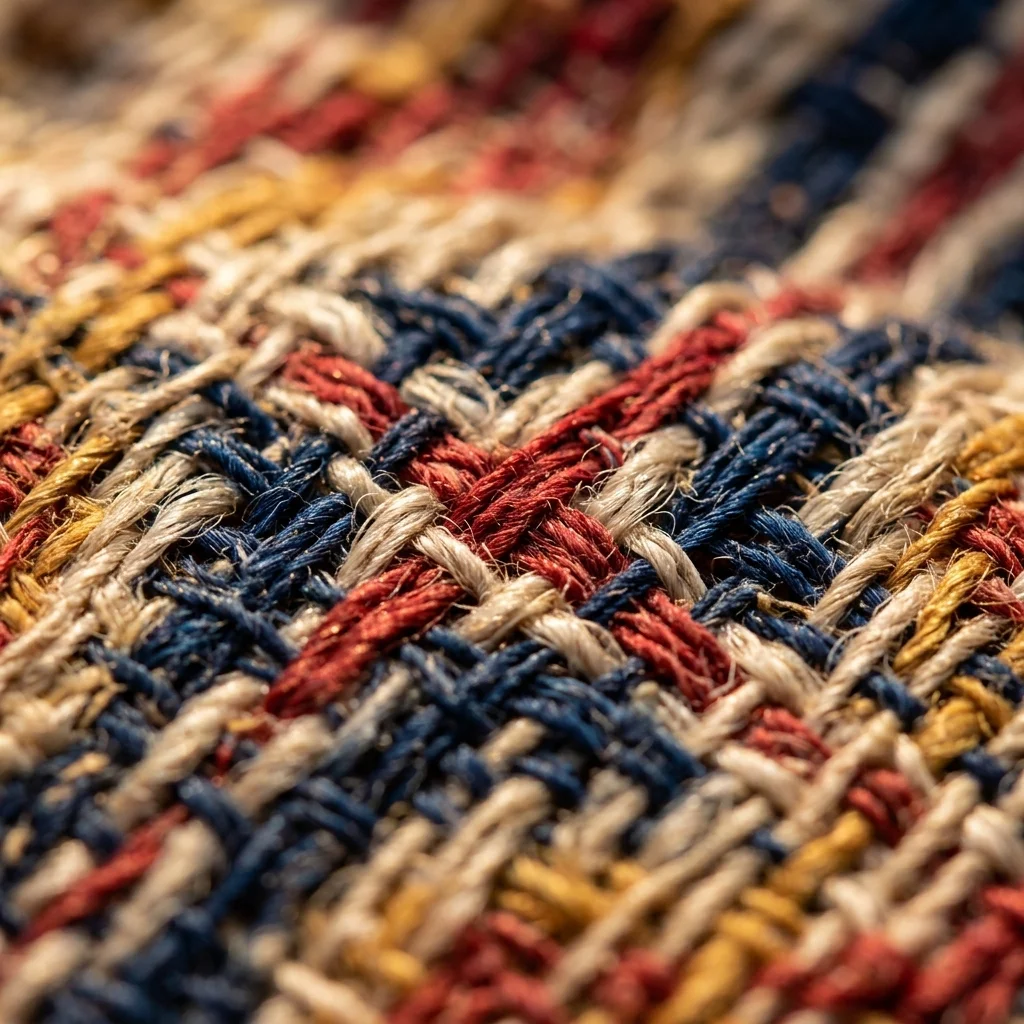
1. The Blur Test (The Hallmark of Ikat)
If you are buying a Sambalpuri or Khandua saree, the easiest way to verify its authenticity is to look closely at the edges of the motifs (like the flowers, conches, or geometric borders).
Because genuine Ikat is created using the Bandha (tie-and-dye) technique where the threads are dyed before they are woven, it is impossible for the weaver to align the dyed threads with 100% mathematical perfection on the loom. As a result, the edges of the designs will always have a slightly jagged, stepped, or "feathered" appearance.
Warning Sign:
If the edges of the motifs are perfectly sharp, crisp, and smooth like a digital photograph, it is a 100% machine-printed fake. A power loom stamps the design onto a plain white cloth, resulting in unnatural perfection.
2. The Reverse Side Test
Turn the saree over and look at the back of the fabric, especially around the pallu or the heavy borders.
In an authentic Bomkai saree, the intricate extra-weft designs on the pallu are woven into the fabric. When you look at the reverse side, you will see the loose threads (floats) where the artisan manually carried the colored yarn across the weave. It will look almost as beautiful and complex as the front. In authentic Ikat, the design is identical on both the front and the back because the dye has soaked completely through the thread.
Warning Sign:
If the reverse side of the saree is significantly lighter, faded, or completely blank, it is a screen-printed fake. Machine printing only dyes the top layer of the fabric.
3. The Certifications
Never take a seller's word for it if they cannot provide certification. The Government of India has established strict bodies to protect consumers from textile fraud.
Every pure silk saree sold by ethical platforms like Utkal Aditri must come with a Silk Mark tag. This is a legally binding guarantee that the fabric is 100% natural silk and not a cheap synthetic blend like Art Silk (artificial silk) or polyester. Additionally, authentic pieces should carry the Handloom Mark, certifying that the product was woven by hand on a traditional loom, not a power loom.
4. The Price Test
Finally, apply common sense to the pricing. A pure silk, highly intricate Bomkai or Khandua saree takes a master weaver up to 30 days of intensive manual labor to create. Add the cost of pure, high-grade mulberry silk, and the base cost of creation is already significant.
If a seller is offering you a "Pure Silk Sambalpuri" for ₹2,000 or ₹3,000, it is scientifically and economically impossible for it to be genuine. You are buying a machine-printed polyester fake. By purchasing these fakes, you are not only getting scammed, but you are also actively contributing to the death of the handloom industry and the impoverishment of traditional weavers.
Shop With Absolute Confidence
Utkal Aditri operates a zero-fee platform connecting you directly to 150 master weaving families. Every piece is 100% guaranteed authentic and Silk Mark certified.
View Genuine Collection